





Offline Methods of Website Promotion That Actually Work in 2026
The offline methods of website promotion are making a serious comeback, and if you’re ignoring them, you’re leaving real traffic on the table. Everyone chases SEO and paid ads. But smart marketers know that offline channels drive some of the most loyal website visitors you’ll ever get. In 2026, the blend of physical and digital is stronger than ever. Let’s dig in.
Key Takeaways
- Offline methods of website promotion build trust that online ads simply can’t replicate.
- QR codes and custom short URLs make offline-to-online tracking measurable and precise.
- Print, events, and direct mail still deliver strong conversion rates in 2026.
- Local community presence consistently outperforms cold digital outreach for small businesses.
- Branded merchandise and speaking gigs create lasting brand recall and drive repeat visits.
- The biggest mistake businesses make is treating offline and online channels as separate — they work best together.
You might wonder why offline promotion even matters when the internet is everywhere. Here’s the thing though. Digital noise is at an all-time high. Your potential customers are bombarded with ads, emails, and notifications all day. A well-placed business card or a memorable live event cuts right through all of that clutter. People remember physical experiences far better than they remember banner ads.
76% of consumers trust printed materials more than digital ads
5x higher response rate for direct mail vs email in 2025 surveys
68% of QR code scans now lead to website visits within 24 hours
Why Offline Promotion Still Drives Real Website Traffic
The data doesn’t lie. Offline methods of website promotion keep proving their value year after year. Think about the last time you saw a brand at a local event or received a clever piece of direct mail. You probably remembered it longer than any Instagram ad you scrolled past. That stickiness is the whole point of going offline.
Furthermore, offline touchpoints create a natural curiosity loop. Someone sees your website URL on a coffee cup sleeve or a gym poster. They’re curious. They pull out their phone and type it in or scan a QR code. That visitor arrives with context and intent. They already have a warm connection to your brand before they’ve even seen your homepage. That’s enormously valuable.
The key insight for 2026: Offline methods of website promotion work best when they make the online step effortless. Every offline touchpoint should have a clear, simple path to your website — whether that’s a short URL, a QR code, or just an unforgettable domain name.
Print Materials That Still Convert Visitors
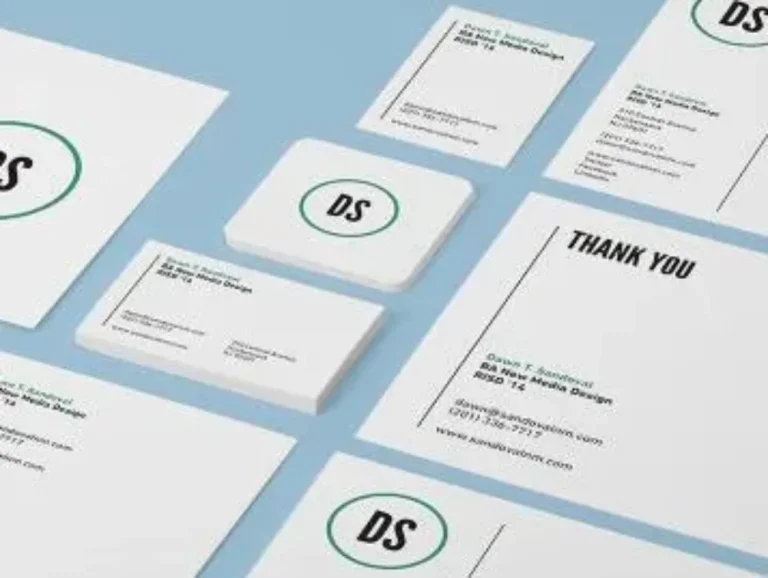
Business cards, brochures, and flyers are still some of the most cost-effective offline methods of website promotion available. The trick is making them work harder. Your website URL should never be an afterthought buried at the bottom. Make it a call to action. Something like “Get the free guide at yourdomain.com/guide” beats a plain URL every single time.
Additionally, branded print works well in waiting rooms, cafes, libraries, and community boards. These are places where people have time on their hands. They will read your materials carefully. Direct mail campaigns, in particular, have seen a genuine resurgence. People open physical mail far more often than they open promotional emails these days.
| Print Channel | Avg. Cost | Traffic Potential | Tracking Ease |
|---|---|---|---|
| Business cards | Very low | Medium | QR code or short URL |
| Direct mail postcards | Medium | High | Unique landing page URL |
| Brochures / leaflets | Low–Medium | Medium | QR code |
| Magazine / newspaper ads | High | High | Vanity URL or promo code |
| Posters / billboards | Medium–High | Medium | Short URL / QR |
Always use a unique URL or QR code for each offline channel. That way, you can track exactly which print material is driving the most traffic. Google Analytics or any decent web analytics tool will show you the difference. This tracking capability is what makes modern offline methods of website promotion so powerful — you get real data instead of guesswork.
Branded Merchandise as a Moving Billboard
Branded merchandise is one of the sneakiest offline methods of website promotion out there. When someone wears your T-shirt or uses your tote bag, they’re advertising your website to everyone they encounter. It’s passive, organic, and incredibly cost-effective over time. The best merch is useful enough that people actually want to use it.
Think beyond the obvious. Yes, T-shirts and mugs work. But reusable water bottles, tote bags, notebooks, and phone stands are items people use every single day. Each use is an impression for your website URL. In 2026, adding a QR code directly to merchandise has become mainstream. People scan them. It genuinely works.
Consequently, more businesses are using merchandise as a retention tool too. Send a thank-you package with a branded item to your best customers. They’ll feel valued. They’ll tell friends. They’ll come back to your website more often. These offline methods of website promotion create emotional connections that no digital ad can manufacture.
Local Community Presence Builds Lasting Brand Loyalty
Getting genuinely involved in your local community is one of the most underused offline methods of website promotion for small and medium businesses. Join the Chamber of Commerce. Volunteer at local events. Partner with non-competing local businesses to cross-promote each other’s websites. These relationships compound over time in ways that paid ads never will.
Besides that, local press coverage is still incredibly powerful. A story in your local newspaper or on a regional news site sends real, engaged traffic. Reach out to local journalists with a genuine story angle. Don’t pitch yourself — pitch the value you bring to the community. When they cover you, include your website prominently in everything you share about it.
Here’s a practical step-by-step approach to building your local offline presence as part of your overall offline methods of website promotion strategy:
- Join two or three local business groupsand attend meetings consistently for at least three months before asking for referrals.
- Identify community eventsin your area and volunteer or sponsor at least one per quarter.
- Partner with a complementary local businessand agree to promote each other’s websites to your respective audiences.
- Pitch one story idea per monthto a local journalist, blogger, or podcast host with a local audience.
- Set up a community notice board presencewith a well-designed flyer that includes your URL and a QR code.
- Track all traffic from these offline effortsusing unique landing pages so you know what’s working.
Direct Mail Is Quietly Crushing Email Open Rates
Direct mail is officially cool again. While email open rates hover around 20–25% on a good day, direct mail pieces get opened and read by a much higher percentage of recipients. That’s because physical mail feels personal and deliberate. It stands out in a world where inboxes are war zones. Smart offline methods of website promotion always include direct mail as a core channel.
The key to making direct mail work for website promotion is specificity. Don’t just put your homepage URL on a postcard. Create a dedicated landing page for each mail campaign. Offer something genuinely valuable that lives on your website. A free guide, a discount code, an interactive tool, or exclusive content all work well. Make the reason to visit crystal clear.
Pro tip: Personalized direct mail with the recipient’s name and a personalized URL (like yourdomain.com/hello-sarah) converts significantly better than generic mailers. In 2026, variable data printing makes this affordable even for small businesses.
Similarly, packaging inserts work brilliantly if you ship physical products. Every package you send is an opportunity. A simple card that says “Get your free [resource] at yourdomain.com/bonus” can drive a meaningful stream of website visits from customers who are already engaged and happy with your brand. These are warm leads you’ve already paid for through the original sale.
Effective Offline Methods for Website Promotion
Offline methods of website promotion include networking activities, attending conferences, and using business cards that feature your website URL. These strategies help create personal connections and increase awareness of your online presence.
Promoting your website offline can significantly enhance your online presence. Here are some key strategies:
- Pamphlets & Flyers. Simple, low-cost, and effective because people physically hold the message.
- Vehicle Branding. Moving billboards. that generate constant local visibility.
- Community Engagement. Participating in local events to build trust and brand presence.
- On‑Screen Ads. Cinema or event‑hall ads that reach a captive audience.
- Event Sponsorship. Aligning your brand with targeted audiences through sponsored events.
- Newspaper Ads. Still effective, with higher response rates than many digital channels.
- In‑Store Promotions. Limited‑time offers, and signage that trigger impulse buying.
- Referral Programs. Encouraging customers to bring in new clients through incentives.
- Press Releases. Traditional media coverage for credibility and free publicity.
- Free Product Samples. Boosts trial, word‑of‑mouth, and long‑term customer loyalty.
- Business Cards. A personal, memorable way to share contact details.
- Loyalty Programs. Rewards that keep customers returning and increase retention.
- Seasonal Cards & Gifts. Strengthens emotional connection and customer loyalty.
- Organizing Events. Workshops, launches, or networking events that build authority and buzz.
- Radio & TV Ads. Affordable local reach with strong brand recall.
- Trade Show Booths. Face‑to‑face engagement with potential customers and partners.
- Billboards. High‑visibility advertising with strong recall and consistent exposure.
- Networking Activities. Face-to-Face Connections: Engage in networking events to build relationships. Personal interactions can drive traffic to your website.
- Warm Calling: Use your contact list to reach out to potential customers. This personal touch can lead to higher conversion rates.
- Conferences and Trade Shows
- Attend Relevant Events: Participate in industry conferences to meet potential clients. Distributing printed materials can increase visibility.
- Speaking Opportunities: Presenting at conferences establishes credibility and allows you to share your website with a targeted audience.
- Business Cards and Printed Materials
- Include Your Website URL: Ensure all business cards feature your website. This makes it easy for contacts to find you online.
- Use Flyers and Brochures: Distribute printed materials that highlight your services and direct people to your website.
- Strategic Partnerships
- Collaborate with Local Businesses: Form partnerships with businesses that complement your services. This can expand your reach and drive traffic to your site.
- Direct Mail Campaigns
- Send Postcards or Newsletters: Utilize direct mail to reach potential customers. This traditional method can yield high returns on investment.
By integrating these offline strategies with your online marketing efforts, you can create a comprehensive approach that enhances your website’s visibility and effectiveness. Offline marketing isn’t outdated—it’s a powerful complement to digital strategies. When aligned with a solid business plan, these tactics can deliver strong ROI and help businesses build real‑world connections.
Frequently Asked Questions
How do I track website traffic from offline methods of website promotion?
Use unique landing page URLs for each offline channel — for example, yourdomain.com/flyer or yourdomain.com/event2026. You can also use UTM parameters on QR code destination URLs. Google Analytics and most modern analytics platforms let you segment traffic by source so you can see exactly which offline effort is driving visits.
Are QR codes still effective in 2026?
Absolutely. QR code scanning has grown steadily since 2020 and shows no signs of slowing down. Smartphone cameras now scan them instantly without a separate app. The key is making sure your QR codes lead to mobile-optimized landing pages with a clear, compelling offer. A QR code that leads to a slow or confusing page will underperform no matter how good your offline promotion is.
Which offline method of website promotion gives the best ROI for small businesses?
For most small businesses, a combination of local networking and direct mail delivers the strongest return. Local networking costs very little beyond time and builds long-term referral relationships. Direct mail, while more expensive, reaches a targeted audience with physical impact and measurable response rates. Speaking at local events is also extremely high-ROI when you can secure the right audience.
How do I get local press coverage to promote my website?
Lead with community value, not self-promotion. Journalists and bloggers want stories that matter to their readers. Find a genuine angle — a unique service, a community initiative, an interesting milestone, or useful advice for local people — and pitch that. Always include your website URL in every press release and follow-up. When coverage appears, share it widely to amplify the traffic spike.
Can offline methods of website promotion work for e-commerce businesses without a physical location?
Yes — very effectively. E-commerce businesses can use package inserts, branded merchandise with shipped orders, direct mail to existing customers, trade shows in relevant niches, and sponsored events in their target markets. The physical product touchpoint is actually an advantage. Every shipment is an offline marketing opportunity. Include a card with your URL, a review request, and an exclusive offer for return visits.
How often should I review my offline website promotion strategy?
Review your offline channels quarterly. Check which unique URLs and QR codes generated the most traffic. Measure conversions, not just visits. Double down on what works and cut what doesn’t. Offline methods of website promotion require the same data-driven iteration as digital channels. The businesses that treat offline promotion with the same rigor as online campaigns tend to see the biggest results over time.